


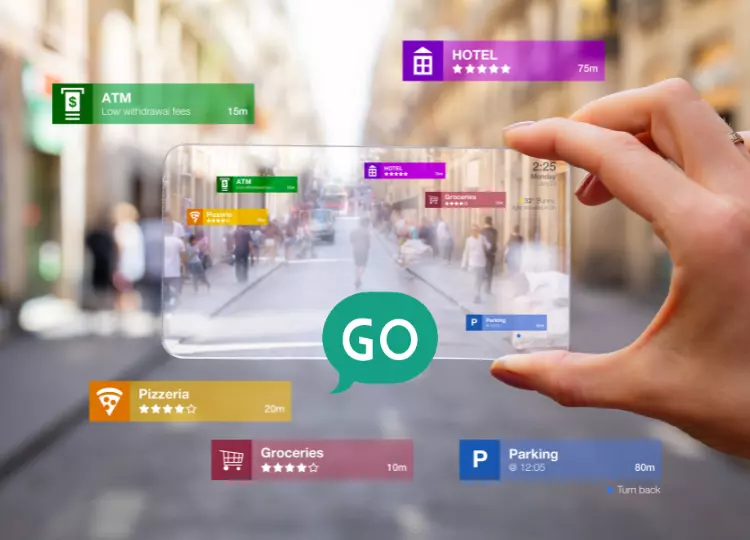
These days, we buy not only products, but above all experiences.
Modern consumers expect comprehensive and valuable service from sellers, which will turn into a long-term cooperation. This phenomenon applies to almost every industry, especially tourism.
What factors make up an effective tourism marketing strategy today? Let’s take a look.
According to Think With Google, as many as 37% of travelers in the United States think about planning their vacation once a month.
About half as many, 17%, consider this issue at least once a week (!).
The data from Google perfectly shows that travel planning behavior has changed significantly in the last few years. Users conduct many short research sessions, not several long ones as they used to.
Research, of course, takes place online, and so usually in search engines. How can you get valuable traffic from there?
Research on travel and vacations doesn’t start with choosing a hotel or a specific trip.
It’s important to remember to position yourself not only on phrases such as: "Holidays in Turkey", "Hotel Milan" or "London flights". Start with phrases such as 'Where to vacation 2019' or 'Where to vacation with children'.
In choosing the right keywords, at every stage of the funnel, you will be helped by tools such as: Keyword Planner, Google Trends, Answer the Public or Ubbersuggest.
For blog articles, your goal should be phrases from the so-called long tail, not "Holidays in Greece", but: "What to see in Athens."
Begin your Google Ads environment by prioritizing keywords that potential customers are keen to enter in the search engine.
If the searched phrases include transactional verbs like ‘book’, ‘buy’, ‘order’ along with specific information with a specific name (the name of a hotel or travel agency, etc.), then you will target searchers who know exactly what they want and are ready to take action. Your task is to make it easier for them.
Here’s an example.
Imagine that the user is looking for a charming hotel located in central London. Most likely, the phrase "hotel prices in London" is too broad for particular offers. The key phrase "booking central London" is more precise, so it is more likely to result in a reservation. In this case, the searcher indicates that he is ready to take action and your offer may be the most attractive.
If you promote services related to a specific event nearby, then you should also use the potential of keywords. Take Oktoberfest, for example. In this case, just set the phrase “hotel at Oktoberfest” or “Oktoberfest hotels”. Sometimes the simplest methods get the best results.
Data from Google Ads is a great source of knowledge that will help you clarify the following issues:
Analysis of this data will allow you to make the right decision in the context of the display ads. Remember, however, that only the most important ads from your perspective should be enabled all the time.
You can also use the benefits of geolocation by sending web push notifications, covered next.
Marketers are facing many challenges today — banner blindness, AdBlock or the short attention span of online customers.
This situation has somewhat forced the creation of a new marketing channel, web push notifications, which first appeared in 2015. They are based on the principles of permission marketing, so they perfectly fit into the tastes of modern internet users since they cannot be sent as spam.
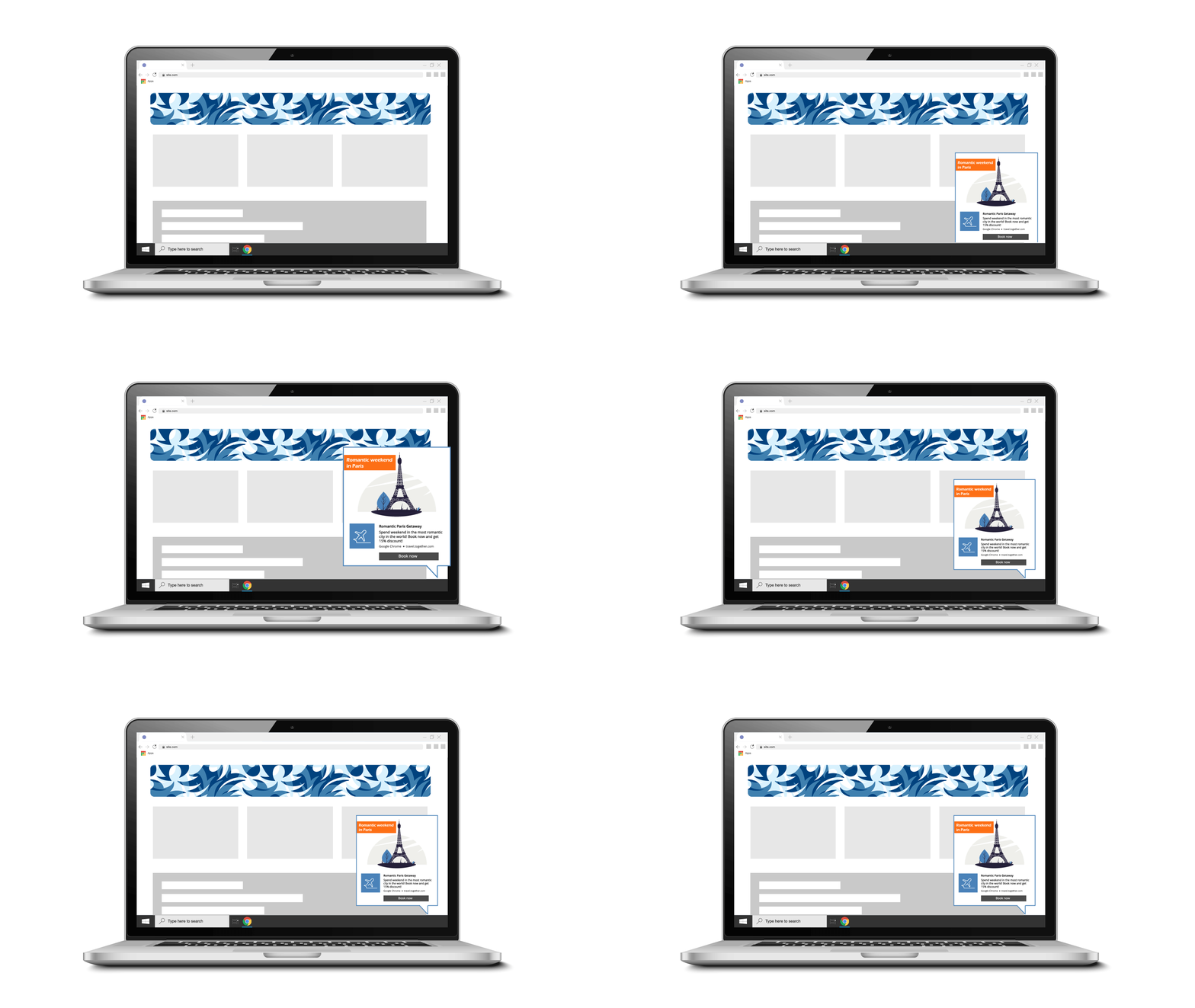
What can you gain from implementing web push notifications?
According to Think With Google, only 14% of tourists always book with the first airline brand that comes to their minds during research.
An even worse result is seen in the context of accommodation, because only 10% of users book a hotel that they know because of the popularity of the brand.
Undoubtedly, this is not good news, but it doesn’t mean you should give up branding activities. The booking cycle is usually a long and complex process, and the key to success is your presence at every stage.
In this case, it's worth using the power of remarketing. People are 76% more likely to click on a remarketing ad than a display without remarketing (even after repeated viewing).
Let’s say that you’re planning a romantic trip. Intrigued by the popularity of a certain hotel, you dream about going there. Unfortunately, you decide that this is a bad time for such a big expense. You are looking for cheaper alternatives on booking.com, but at the moment no offer convinces you. At the same time, you can see the advertising of the hotel where you really want to stay, tempting you with its luxurious decor. The more you see it, the more you want to be there. The next thing you do is pull out your credit card and book your stay there.
The secret to an effective remarketing campaign lies in two issues. First, you'll need to set your impression limits to very high (potentially unlimited) to ensure your ads are visible. The second thing is to set your membership period for remarketing campaigns to three times your sales cycle. This ensures that your ads will continue to display to potential customers who have not yet converted.
By using marketing automation and the ability to track user behavior on the site, you can send effective remarketing campaigns using web push notifications.
How does it work?
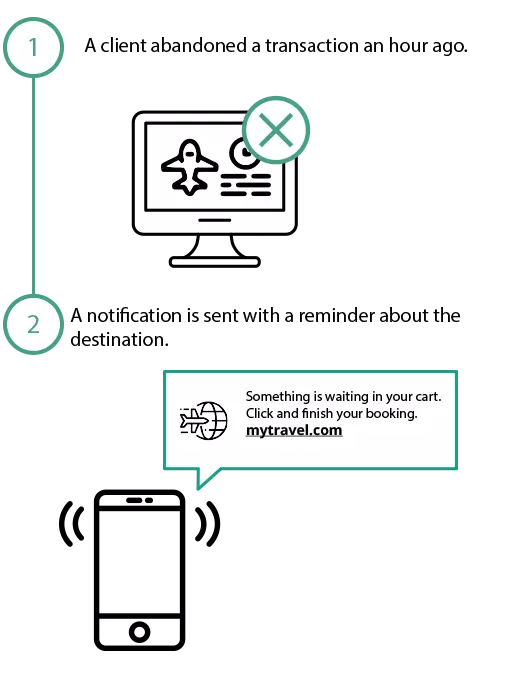
You can design the following marketing automation scenario:
The customer reviewed an offer but did not make the reservation.
The next time he visits your site, he will automatically be sent a notification reminding him of recently viewed destinations and maybe a tempting discount.
Mobile devices have become part of our lives, so it's no wonder that more and more queries come from the mobile channel. According to Google, mobile inquiries about flights increased by 33% during the year, while hotel inquiries increased by as much as 49%.
Unfortunately, this trend is not supported by Google's mobile layout. On mobile devices, you fight for less ranking or advertising places than for desktops. If you don’t rank organically, you have to resort to paid advertising.
To achieve the best effect, you should focus on the ranking of your ad. Of course, this means you have to increase the rate or quality score. For ads that don't achieve the desired mobile impression share, it's a good idea to do both.
Making purchases from a smartphone is standard today. The same applies to travel marketing.
According to Google data, the conversion rate increased by 88% on mobile sites last year. In fact, this figure should be even higher, because in the same study 46% of travelers admitted that their booking decision was made while checking offers on a smartphone. For various reasons, they later moved to a desktop.
It's time to prepare your website for this kind of traffic!
Trends in travel marketing reflect changes in the behavior of today's Internet users. There are several factors to keep in mind when designing a marketing strategy:
Words enthusiast both in literature and marketing. At PushPushGo responsible for developing content strategy and writing everything that needs to be written.
.png)
.png)
-3pf2xltbnb.webp)